Multilingual Web Optimization is the process of designing, developing, and optimizing a website so it performs well for users who speak different languages and come from different regions. It focuses not only on translating content but also on improving user experience, search engine visibility, and performance across multiple languages and cultures.
In simple terms, it helps your website communicate clearly and effectively with a global audience while ranking well in search engines for different languages.
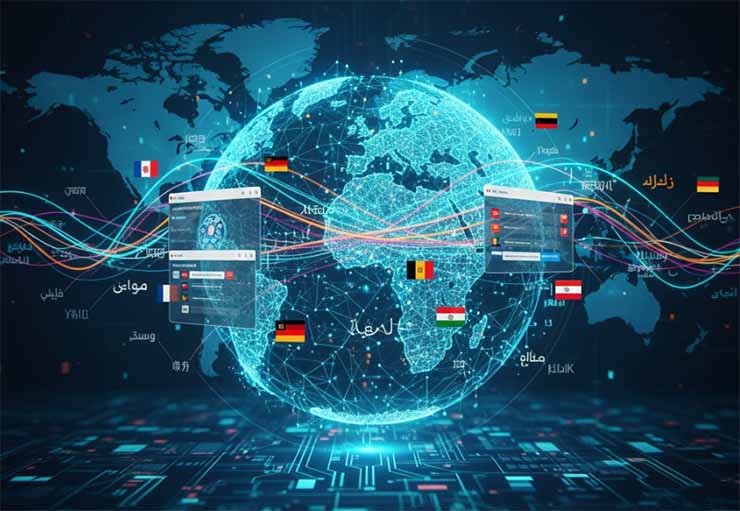
What Multilingual Web Optimization Really Means
Many people assume that multilingual optimization is just about translating text from one language to another. In reality, it involves much more:
Adapting content to cultural preferences
Optimizing pages for local search engines
Improving loading speed for international visitors
Making navigation easy for users in different regions
A well-optimized multilingual website feels “local” to users, no matter where they are from.
Why Multilingual Web Optimization Is Important
Better User Experience
People trust and engage more with websites in their native language. Clear communication increases time spent on your site and reduces bounce rates.
Improved Global SEO
Search engines like Google rank language-specific pages separately. Proper optimization helps your website appear in search results across different countries and languages.
Higher Conversion Rates
Visitors are more likely to sign up, contact you, or buy something when content feels familiar and easy to understand.
Competitive Advantage
Many websites still focus on a single language. Multilingual optimization helps you stand out and reach untapped markets.
Key Elements of Multilingual Web Optimization
1. Language-Specific Content
Each language version should be written naturally, not machine-translated word-for-word. Content should match local tone, expressions, and expectations.
2. SEO-Friendly URL Structure
Common approaches include:
Subdirectories: example.com/es/
Subdomains: es.example.com
Country domains: example.fr
Search engines understand these structures better when implemented correctly.
3. Hreflang Tags
Hreflang tags tell search engines which language version of a page to show to users. This prevents duplicate content issues and improves ranking accuracy.
4. Local Keyword Research
Search behavior varies by language and region. Keywords must be researched separately for each language, not simply translated.
5. Website Speed & Performance
International users may experience slower loading times. Using CDNs and optimized media ensures fast performance worldwide.
6. Cultural and Visual Adaptation
Images, colors, examples, and references should match local cultural preferences to create trust and familiarity.
Common Mistakes to Avoid
Using automatic translations without human review
Mixing languages on the same page
Ignoring local SEO practices
Forgetting to optimize metadata (titles, descriptions, alt text)
Not testing usability for different regions
Who Needs Multilingual Web Optimization?
Global businesses and eCommerce stores
Educational and informational websites
SaaS platforms targeting international users
Blogs and content sites with global audiences
Travel, real estate, and affiliate websites
Final Thoughts
Multilingual Web Optimization is about creating a smooth, localized experience for users around the world while helping search engines understand and rank your content correctly. When done properly, it boosts traffic, engagement, and trust across international markets.
In today’s global internet landscape, multilingual optimization is no longer optional—it’s a smart investment for long-term growth and visibility.
